Arduino DHT11 Temperature & Humidity Sensor — Complete Tutorial
Read temperature and humidity with a DHT11 sensor and Arduino. Complete wiring diagram, working code, library installation, and troubleshooting for Arduino Uno and Nano.
Download Proteus 8.13 for free. Step-by-step guide + troubleshooting for common errors. Compatible with Windows 10 and 11 for professional circuit simulation.
Proteus 8 Professional is the most complete electronic circuit simulation tool on the market. Compatible with Windows 10 and Windows 11, this version includes all unlocked features for professional circuit and PCB design.
Version 8.13 offers significant performance improvements, an expanded component library, better support for Arduino and modern microcontrollers, plus a more intuitive interface for beginners and professionals.
Proteus is compatible with Windows 7, 8, 10, and 11.
A processor of 2 GHz or higher is recommended.
At least 4 GB of RAM is recommended.
At least 2 GB of free disk space is required.
The latest version with all features unlocked
Stable version with all essential functionalities
Complete suite for professional electronic design
Run proteus.exe as administrator
Select installation language (English recommended)
Accept the license terms and conditions
Choose installation folder (default is fine)
Wait for installation to complete
Run Proteus as administrator for the first time
Ready! You can now use Proteus 8 Professional
Here you will find answers to the most common questions about Proteus.

Read temperature and humidity with a DHT11 sensor and Arduino. Complete wiring diagram, working code, library installation, and troubleshooting for Arduino Uno and Nano.

Connect a 16x2 LCD display to Arduino using only 2 wires with an I2C adapter. Complete wiring, library install, working code, and how to find your I2C address (0x27 or 0x3F).

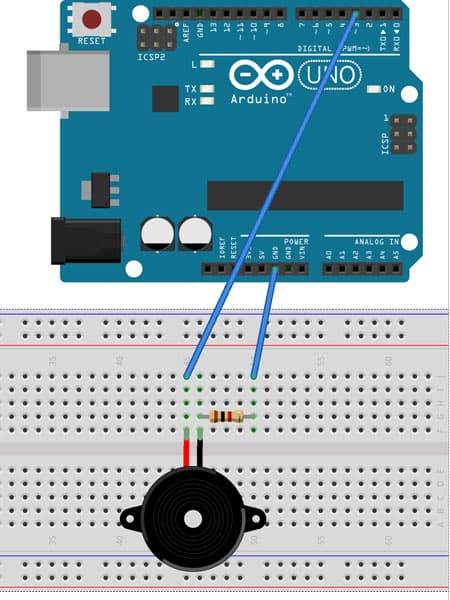
Play the Super Mario Bros theme on Arduino with a passive buzzer. Complete working code, wiring diagram, and troubleshooting. Copy-paste ready in 5 minutes.

Arduino Nano vs Uno: complete comparison of specs, size, pins, price, and use cases. Both use the ATmega328P — the key differences are form factor and USB connector.

Detect motion with a PIR sensor and Arduino. Complete wiring for HC-SR501, working code, sensitivity adjustment, and projects including alarm, automatic light, and intruder detector.

Control 110V/220V AC devices with Arduino using a relay module. Complete wiring for 1, 2, and 4-channel relay boards, working code, and safety notes for mains voltage.